Planning & Forecasting
Budgeting, forecasting and long-range planning across multiple cost centres, alongside current planning and modelling engagements for UK SME clients.
Didar Merve Durge
Turning financial complexity into decisions.
10+ years across FP&A, financial controlling and finance consulting. I build financial models, forecasts and management insight that help turn complex business questions into clearer decisions — using AI and data tools where they can extend speed and analytical depth, while retaining ownership of the logic, assumptions and final judgement.
Manchester, United Kingdom
Profile
My career spans Big Four advisory, FP&A within an international university network, financial controlling in a multinational logistics business, and finance consulting for UK SMEs.
Across those roles, I have worked on budgeting, forecasting, long-range planning, management reporting, variance analysis, financial modelling and investment appraisal, partnering with both finance and non-finance stakeholders.
More recently, I have added hands-on AI, data and product-building capability to that finance foundation. I use those skills when they make analysis faster, processes more repeatable or decisions clearer — not as a substitute for financial judgement.
FP&A in practice
Budgeting, forecasting and long-range planning across multiple cost centres, alongside current planning and modelling engagements for UK SME clients.
Monthly and quarterly P&L reporting, actual-versus-budget analysis, bridging, risks and opportunities, KPI reporting and management commentary.
Scenario modelling, investment appraisal, profitability analysis and cost optimisation, structured around the commercial question behind the numbers.
Experience working with senior management, department leaders, cost-centre owners and commercial teams to explain performance, investigate variance and support decisions.
Featured work · 01
From fragmented operational data to a repeatable management view.
A UK-based technology consulting business needed a clearer way to answer three recurring questions: which projects were profitable, which contractor engagements were profitable, and how effectively employee capacity was being used.
Inputs
Model
Management view
| Project | Consultant | Revenue | Direct cost | Allocated cost | Profitability | Utilisation |
|---|---|---|---|---|---|---|
| Project Alpha | Consultant 01 | £28.4k | £11.2k | £4.1k | £13.1k | 82% |
| Project Beta | Consultant 04 | £21.7k | £9.8k | £3.7k | £8.2k | 74% |
| Project Gamma | Consultant 02 | £18.9k | £7.4k | £3.5k | £8.0k | 91% |
Illustrative values reconstructed for confidentiality. No company or client financial data is disclosed.
My role
I defined the business questions, explained the available datasets and the meaning of each field, determined the analytical structure, and built the pivot tables, slicers and management views.
AI contribution
I used ChatGPT as a technical assistant when translating parts of the required calculation logic into Excel formulas.
AI accelerated the technical implementation. It did not define what the model should measure or decide whether the result made financial sense.Validation
AI-assisted formulas are not accepted at face value. During each monthly refresh, I select individual contractors and projects in the management view, trace the same records back through the underlying data and check that the resulting calculations reconcile.
Those recurring spot checks help identify formula, mapping or source-data issues before the output is relied upon.
How I use AI
I start with the business question and the available evidence. AI can help me build faster, explore unfamiliar technical problems and translate logic into formulas or queries, but I challenge the output, trace it back to source data where possible, and remain accountable for the final analysis.
Start with the business question and the decision it needs to support.
Identify the data, assumptions, drivers and relationships that matter.
Use AI where it can accelerate modelling, querying or implementation.
Question outputs instead of accepting technically plausible answers.
Trace selected results back to source data and test edge cases.
Turn the result into an output a decision-maker can use.
AI increases my execution speed and technical reach. It does not replace financial judgement or accountability.
Product & data experience
These projects are not a change of professional identity. They are evidence of product curiosity, data confidence, ownership and the ability to use AI to extend my technical capability.
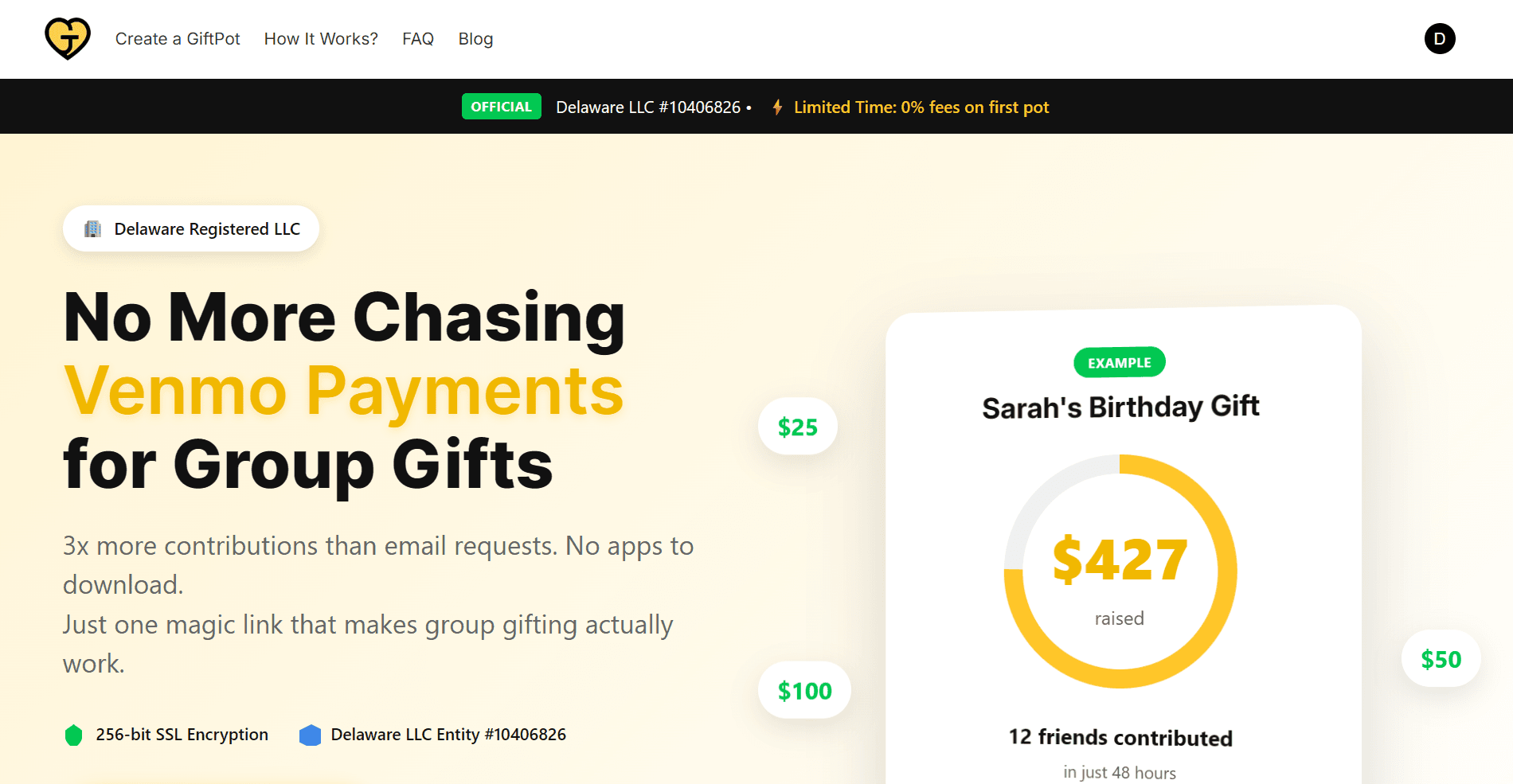
Consumer web product
Built and operate a live consumer product using AI-assisted development, including relational production data, payment workflows, troubleshooting and deployment.
Working on GiftPot has given me practical exposure to the systems behind a digital product: how data moves between tables and services, how payment states need to reconcile, how edge cases appear in production, and how technical decisions affect the user experience.
Data: Practical experience working with relational production data and SQL-based systems, often using AI-assisted workflows to interrogate structured data, diagnose issues and validate outputs.
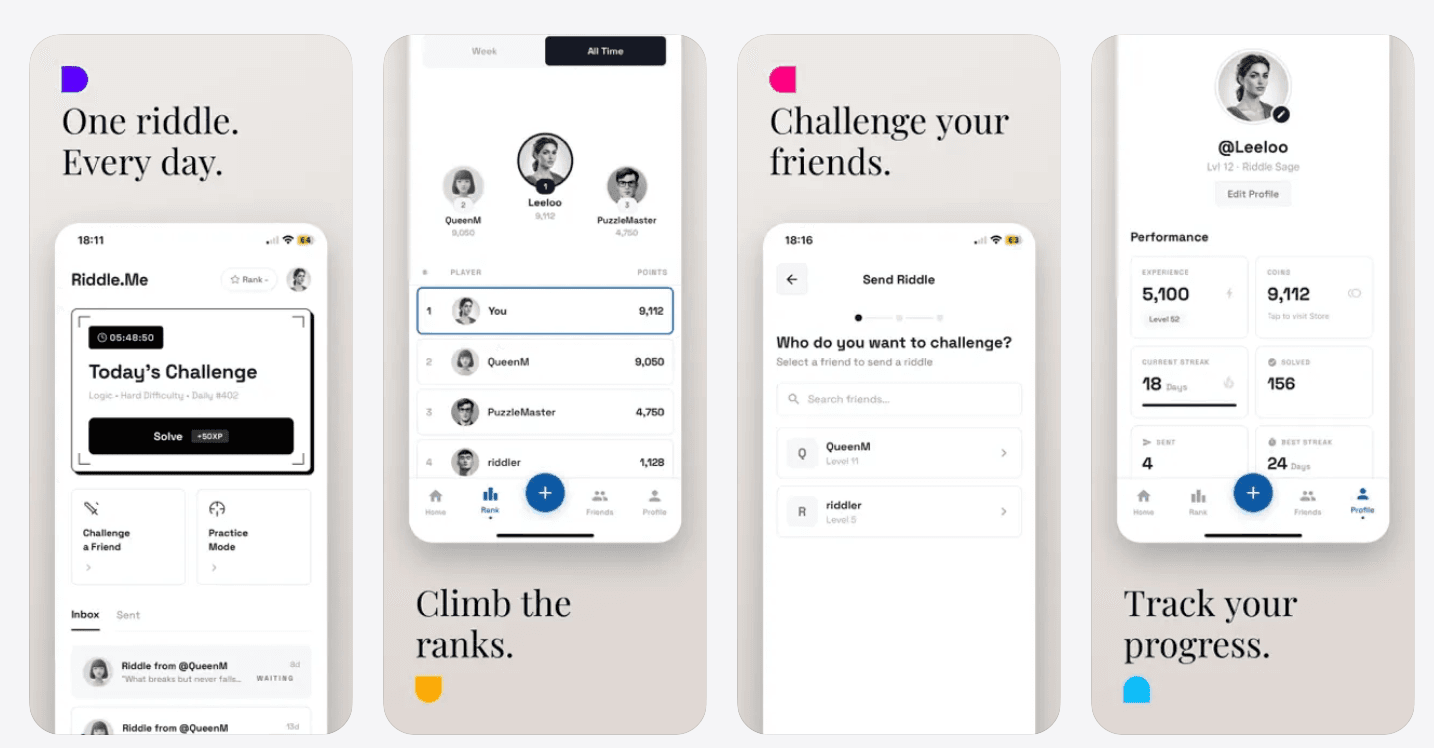
iOS brain-game product
Sparked by my daughter's love of riddles, Riddle.Me became a second live product and a chance to push the visual and product side of AI-assisted building further.
I structured the AI-assisted work into distinct roles for art direction, riddle/content review and full-stack implementation, while retaining the product concept, decisions and final judgement.
Career
Finance Consultant & Director
Financial Controller
Assistant Financial Controller
Financial Planning & Analysis Analyst
Senior M&A Tax Consultant / Senior Tax Auditor
What drew me to this role
I have used YAZIO for years and genuinely love the product, so this opportunity caught my attention immediately.
I currently run my own business together with my husband and had not been actively looking for a role in the UK. When I saw YAZIO’s FP&A position on LinkedIn, however, I applied straight away. It is a rare combination of a brand I already know and value, the FP&A work I have built my career around, and the AI- and product-oriented way I increasingly like to work.
The opportunity to contribute to a product I already use, and to become part of the team behind it, is what makes this role particularly meaningful to me.